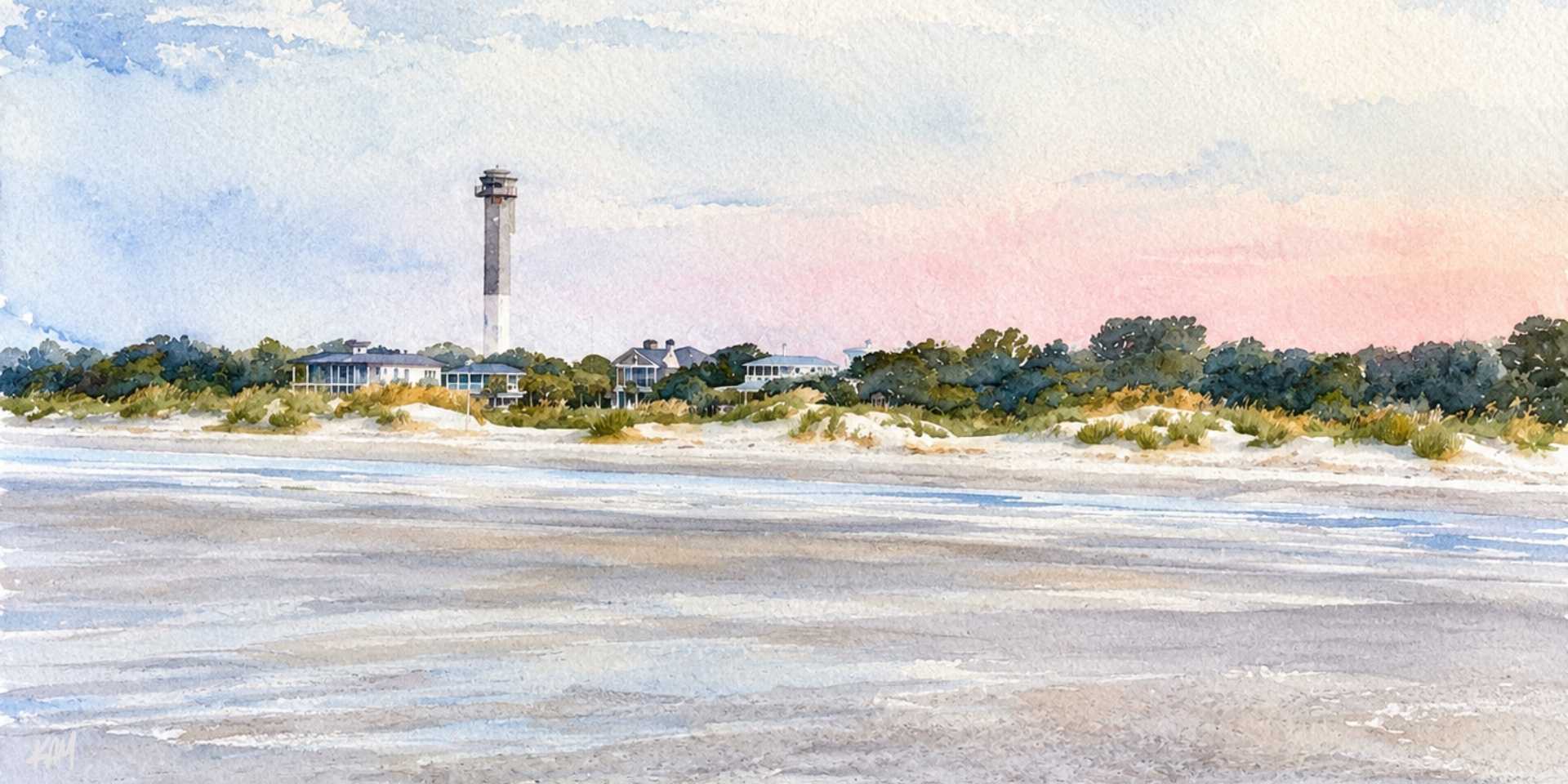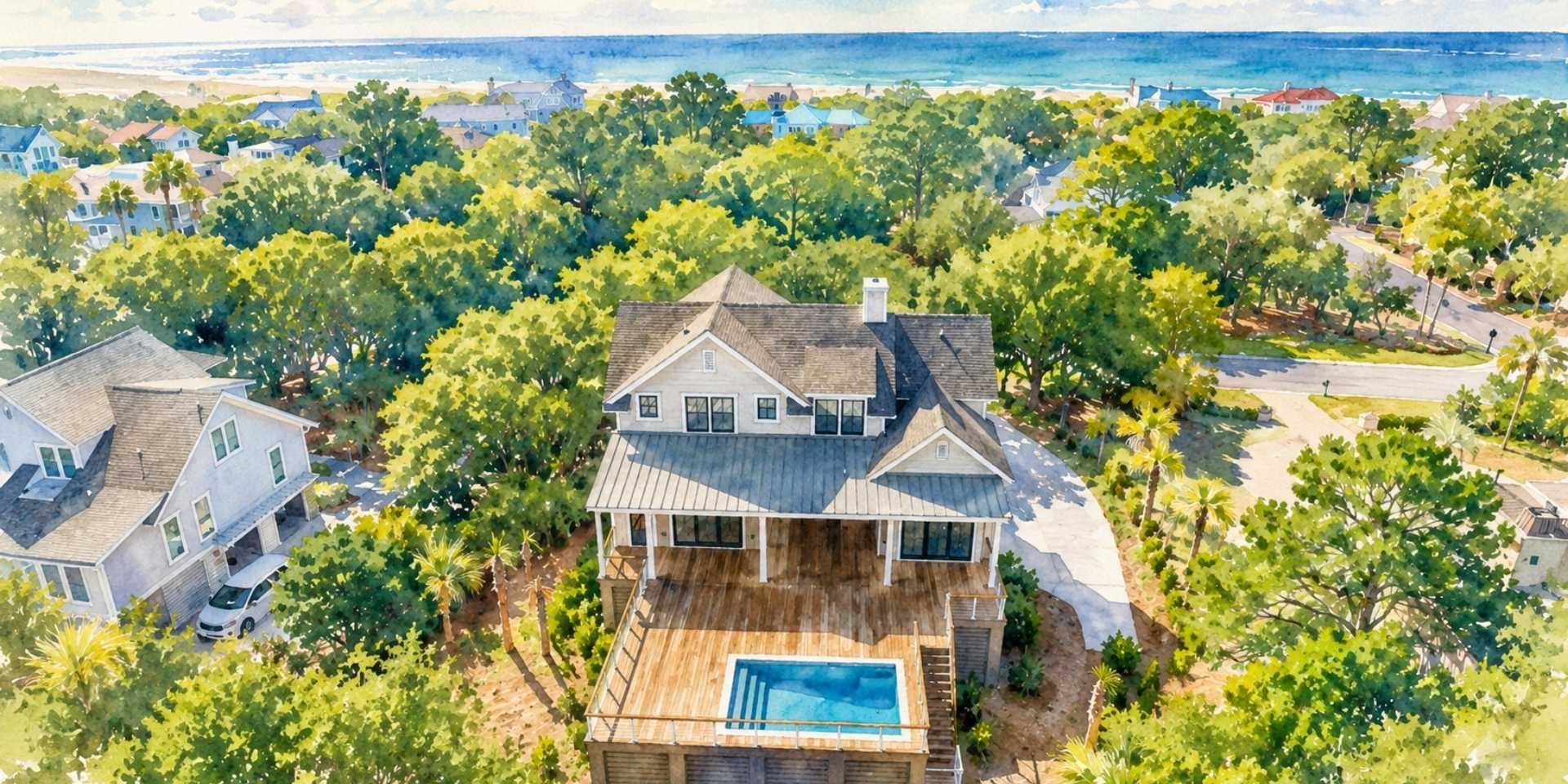
There is a distinct moment when people realize Charleston, South Carolina isn't just a place to visit—it’s a place to call home. Whether it’s the grandeur of historic downtown architecture, moss-draped live oaks framing quiet island roads, or miles of untouched barrier island beaches, living in the Lowcountry offers an unhurried, rich lifestyle that is hard to replicate anywhere else in the country.
If you are considering moving to Charleston, SC from out of state, transitioning your family or executive lifestyle involves more than just finding a house. It’s about understanding the nuances of local waterways, choosing the right neighborhood pace, and navigating local real estate incentives with our Moving to Charleston Guide.
Here is an insider’s guide to what living in Charleston is really like in 2026.
1. The Charleston Lifestyle: Outdoor Living & Coastal Charm
Life in the Lowcountry is anchored by water, community, and outdoor recreation. Thanks to a sub-tropical climate with mild winters, residents enjoy outdoor living year-round.
- Coastal Waterway Access: Weekend life often revolves around the water—from boating down the Stono River and paddleboarding tidal creeks to watching sunset views along Pelican Beach on Seabrook Island.
- A Culinary Mecca: Downtown Charleston remains a premier global dining destination, blending authentic Southern coastal cuisine with modern sea-to-table dining.
- Active Recreation: World-class golf courses (including the iconic Ocean Course on Kiawah Island), premier pickleball complexes, and equestrian centers are built into everyday island living.
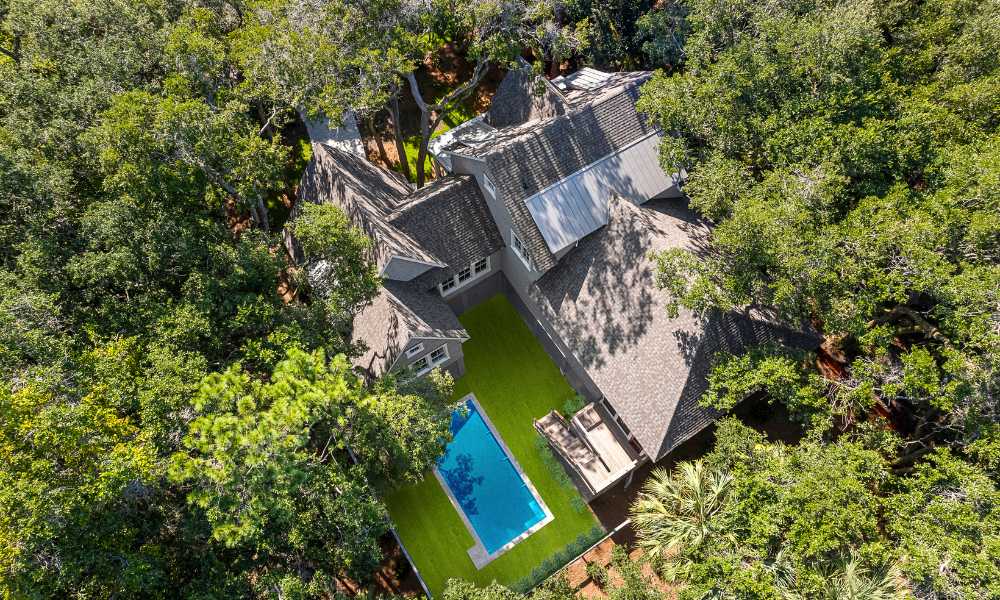
2. Choosing Your Ideal Charleston Neighborhood
Charleston is a collection of distinct sub-markets, each offering a completely unique day-to-day experience:
Historic Downtown Charleston
Ideal for buyers who thrive on walkable urban charm, historic Antebellum architecture, harbor views, and stepping out their front door to world-class dining and cultural events.
Johns Island
South Carolina's largest island offers a relaxed "rural-residential" aesthetic. It balances agricultural roots and equestrian estates with upscale master-planned communities like Kiawah River, a 2,000-acre agrihood centered on waterfront living and farm-to-table culture.
Seabrook Island & Kiawah Island
Private, gated coastal sanctuaries designed for luxury and tranquility. Kiawah Island is famous for world-renowned resort amenities and pristine dunes, while Seabrook Island offers a private, residential sanctuary with deep-water equestrian access and uncrowded beaches.
Mount Pleasant & James Island
Ideal suburban options located minutes from downtown Charleston and local public beaches, featuring top-rated healthcare facilities, shopping, and established communities.
To explore detailed breakdowns, photos, and local insights for each area, explore our full Charleston Neighborhood Guides.
3. Essential Real Estate & Tax Facts for Out-of-State Buyers
When relocating to South Carolina, understanding local tax incentives and property structures can save you thousands annually:
- Primary Residence Tax Advantage (4% vs. 6% Assessment): South Carolina strongly favors primary homeowners. If a property is registered as your legal primary residence, it is assessed at a 4% ratio and exempted from local school operating taxes. Secondary homes, vacation properties, or investment rentals are assessed at a 6% ratio, resulting in significantly higher annual property taxes.
- Year-Round vs. Seasonal Communities: Communities like Seabrook Island and Johns Island are vibrant, true year-round neighborhoods with active resident communities, making them ideal for full-time relocation rather than purely seasonal stays.
- The Relocation & Transition Blueprint: Navigating an out-of-state move involves timing your search, exploring school options, and finding the neighborhood pace that fits your family's daily rhythm. You can request the full Live In Charleston Relocation & Lifestyle Guide for a complete breakdown of area communities and transition insights.

4. Frequently Asked Questions About Moving to Charleston
Is Charleston, SC a good place to retire or relocate an executive career?
Yes. Beyond tourism, Charleston's "Silicon Harbor" has expanded into a major hub for AI, aerospace (Boeing), automotive (Volvo, Mercedes-Benz), and medical research (MUSC). It offers an executive career ecosystem alongside a premier coastal retirement environment.
How far are the islands from Downtown Charleston?
Johns Island is approximately 15–20 minutes from downtown Charleston, while Seabrook and Kiawah Island are roughly 35–45 minutes away via scenic, tree-lined parkways.
Ready to Explore Life in the Lowcountry?
Relocating to a new city is a major milestone. Having experienced the relocation journey firsthand—moving from New York to Seabrook Island—I specialize in guiding out-of-state buyers through every stage of finding their ideal home and lifestyle in Charleston.
Ready to find the neighborhood that fits your ideal way of living? Request your personalized Charleston Lifestyle Match Consult with Michelle Almeyda-Wiedemuth today to start your Lowcountry relocation journey!