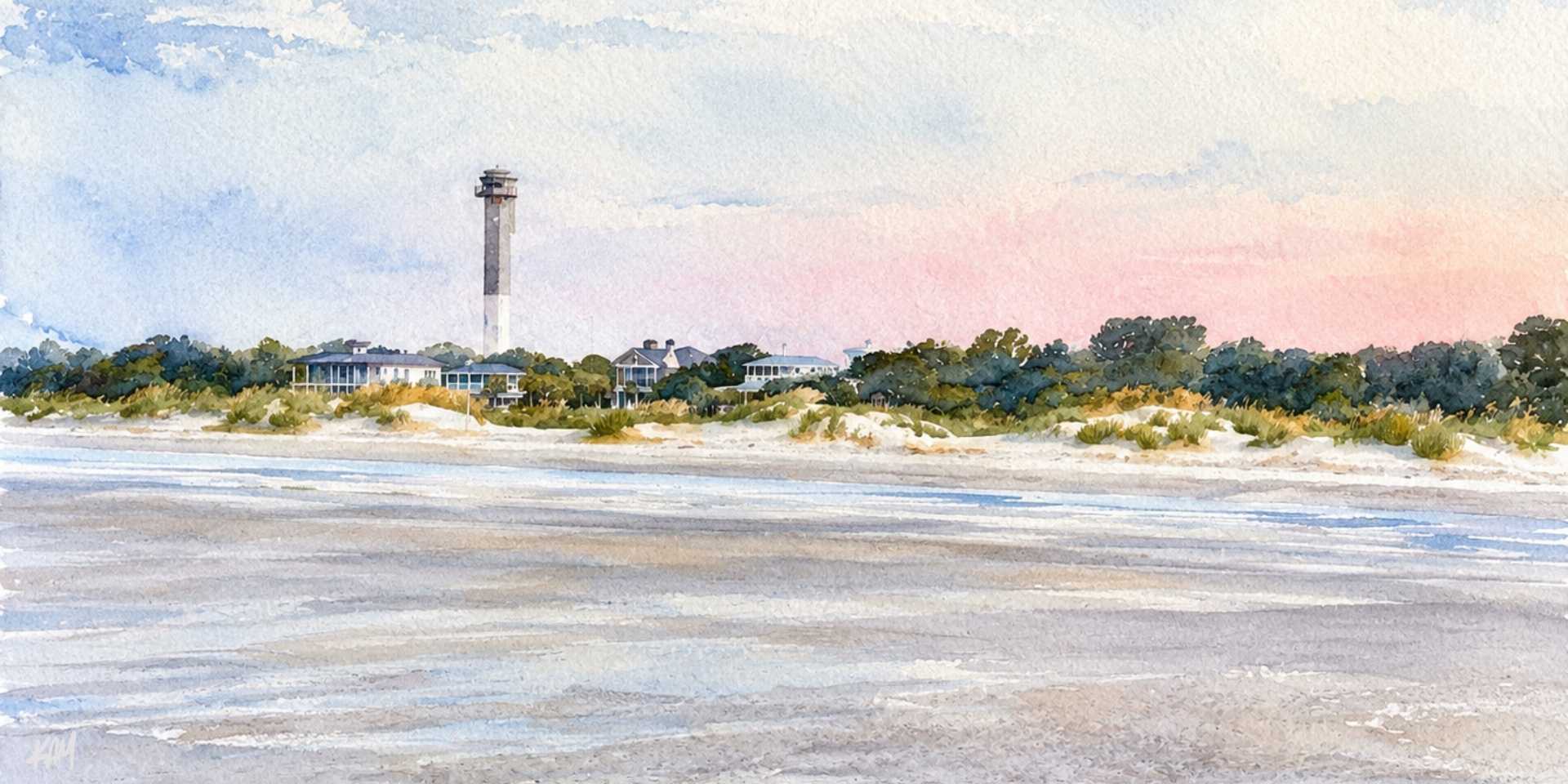
Buying a waterfront home near Charleston starts with understanding how you want to enjoy the water. Marsh views, tidal-creek frontage, and deep-water access can offer very different experiences.
As the holidays approach, you may be picturing a porch where guests gather, a quiet morning overlooking the marsh, or an afternoon out on the boat. The setting should suit those occasions and the everyday life that follows.
Marshfront describes a setting along the marsh; tidal-creek properties border waterways affected by changing tides; and a deep-water description calls for verification of usable depth and access. None of these labels alone confirms that a property will accommodate your boat or qualify for a dock.
In This Guide
How do Charleston waterfront settings compare?
The most useful distinction is between enjoying a water-oriented view and having documented, usable access. Start with your priorities, then investigate each property individually.
| Setting | What may appeal to you | What to verify |
|---|---|---|
| Marshfront | Open views, birdwatching, and the changing marsh landscape | Actual frontage, distance to open water, and documented access or dock rights |
| Tidal creek | A creekside outlook and potential paddling or boating opportunities | Low-tide conditions, usable depth along the route, access rights, and suitability for your activities |
| Deep water | Potential access for your intended boating lifestyle | Measured low-tide depth, navigability beyond the dock, vessel requirements, and dock documentation |
Two homes with similar listing descriptions can offer very different experiences. When comparing a waterfront home near Charleston, use the view as the starting point and verified access as a separate part of your decision.
What are the benefits of marshfront living?
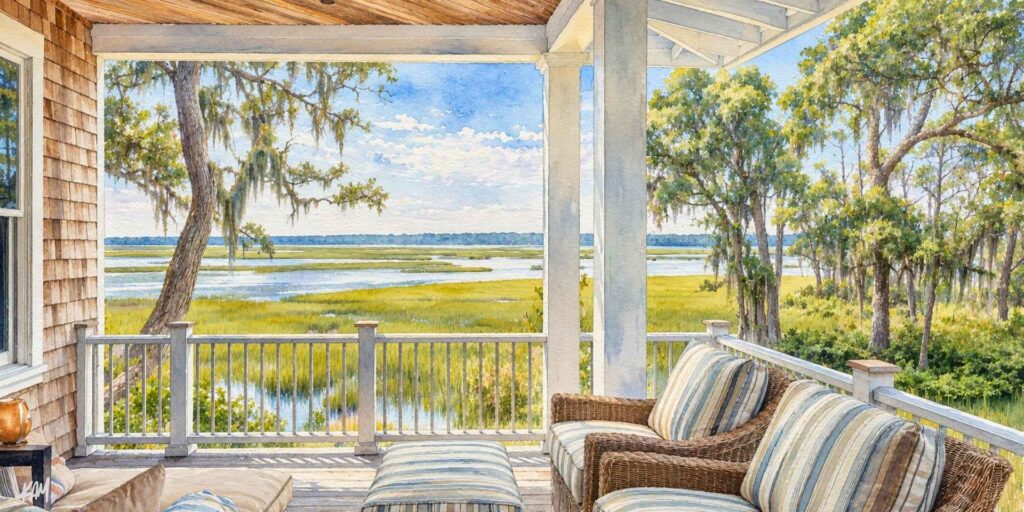
Marshfront living can appeal to buyers who want scenery and a close connection to the coastal landscape. The attraction may be watching birds from the porch, enjoying an open outlook, or seeing the marsh change with the light and tides.
If your ideal waterfront home near Charleston is mainly about a peaceful outlook, a marshfront property may deserve a closer look. You may value the porch and scenery more than keeping a boat at home.
Consider how you would enjoy the setting throughout the house. Can you see the marsh from the rooms you use most? Does the porch have space for the way you like to relax or entertain? How does the outlook change at low tide?
Marsh frontage does not, by itself, establish private water access or permission to build a dock. Request documentation rather than relying on descriptions or photographs.
A helpful question is: Would I still love this home if the main benefit were the view?
What should you know before buying a tidal-creek home?
A tidal-creek home may offer an appealing waterfront setting, but its suitability for paddling or boating depends on the property, the waterway, and the conditions. Investigate how changing water levels affect your intended use.
NOAA explains that tides produce recurring changes in coastal water levels. A creek that looks inviting during a showing may look quite different at low tide.
If you picture keeping a kayak or boat at home, ask:
- What are the conditions at low tide?
- What is the usable depth at the dock and along the route to larger water?
- Where could you legally and practically launch?
- Are access rights documented?
- What local guidance is needed to evaluate currents, navigation, and your intended vessel?
Arrange another visit at a different tide level when possible. Seek qualified guidance about boating suitability rather than assuming a view of water means dependable access.
The pleasure of creekside living may also be simpler: a quiet outlook, a place to observe wildlife, or a porch where the changing landscape becomes part of your routine. Decide which benefits matter most to you.
What should you verify about deep-water access?
A deep-water description should prompt specific questions about depth and navigation. Confirm whether the dock and the entire route to your boating destinations suit the vessel you intend to use.
Ask where and when any depth measurement was taken, including the tide conditions. Water depth beside a dock does not establish the depth along the rest of the route.
- Check your boat's draft and required clearance.
- Identify bridges or other restrictions along the route.
- Evaluate dock layout, maneuvering space, and boat-lift suitability.
- Seek guidance on currents and other conditions affecting navigation.
Bring your boat's specifications into the conversation early. If you haven't selected a boat yet, explain the type of boating you hope to do so the appropriate professionals can help evaluate the property.

What should you check about a private or shared dock?
Review a dock's condition, permitted configuration, ownership, and access arrangements before making it central to your purchase decision. An existing structure does not establish that every planned change or use will be allowed.
The South Carolina Department of Environmental Services' dock guidance explains that a subdivision's dock master plan can help identify potentially eligible lots, but does not guarantee a permit.
Request the relevant records and have an appropriate professional evaluate the structure. For a shared dock, clarify each owner's use and maintenance responsibilities.
If you hope to add a boat lift, enlarge the dock, or build a new structure, investigate the approvals needed before relying on those possibilities.
What ownership costs deserve a closer look?
Evaluate the home, waterfront structures, insurance, and community obligations together. The purchase price is one part of understanding whether a waterfront home near Charleston fits your plans.
Review available disclosures, inspection findings, maintenance records, and drainage conditions. Obtain professional estimates for identified work, including dock repairs where applicable. Ask about association fees and documented shared-maintenance obligations.
For flood information, start with the specific address. FloodSmart directs homeowners and buyers to flood maps and insurance professionals to better understand their circumstances and coverage options.
Gather current insurance quotes early enough to consider them alongside other ownership costs.
Five checks for your next waterfront home tour
Touring a waterfront home near Charleston means evaluating both the house and the water access. These five questions can help you compare properties:
- What am I looking for? A peaceful view, paddling access, boating access, or a combination?
- What changes at low tide? Consider both the outlook and potential water use.
- What is documented? Request relevant dock, ownership, and access records.
- Does this fit my activities? Evaluate the property for your intended vessel and routines.
- What will ownership involve? Understand maintenance, insurance, and community obligations.
If you expect to host visitors, consider gathering spaces, guest accommodations, and how the home functions when everyone is together. Then picture an ordinary week after the guests leave.
Find a waterfront home near Charleston that fits your life
A marsh view may provide the peaceful setting you're looking for. A tidal-creek property may suit your plans once you understand its conditions. A property with verified boating access may support a different set of priorities.
If you're exploring the area, begin with our Charleston relocation guide or take a closer look at our Johns Island community guide. You can also browse Charleston-area homes.
Ready to narrow your search? Start a conversation. Share what your ideal day on the water looks like, and we can begin identifying properties worth exploring.